
Car Insurance for Urban Drivers: Essential Coverage for City Roads
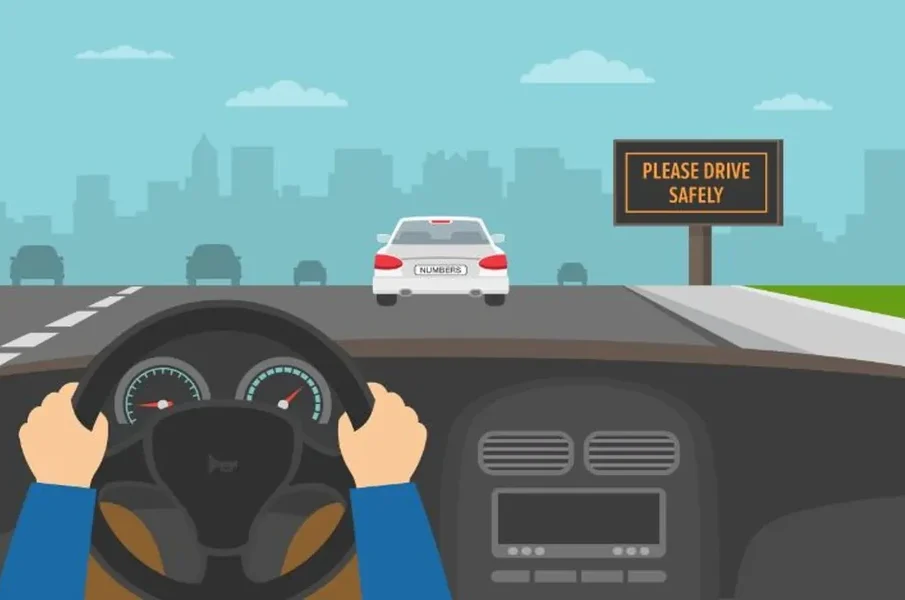
Imagine you’re driving through crowded Delhi streets, a stray auto scratches your bumper. Third-party insurance won’t cover that repair. Urban drivers need **comprehensive car insurance that protects your own vehicle too.City roads come with constant risks: bumper-to-bumper traffic increases minor collisions, theft is more likely in unguarded parking, and potholes can damage undercarriage. The real answer? Comprehensive coverage with add-ons like zero depreciation is essential.Without these, a simple dent could cost thousands out of pocket.When choosing your car insurance policy **, prioritise high IDV and a no claim bonus protector. Forget the bare minimum – invest in coverage that matches your daily reality. That first scratch won’t hurt as much when your policy has your back.
Why urban drivers need more than basic car insurance
Basic third-party insurance only pays for damage you cause to others – it won’t cover a single scratch on your own car. In cities like Mumbai, where the average vehicle gets bumped or scratched once a month, that’s a risk you cannot afford to ignore.Comprehensive Car Insurance covers repairs to your car, theft, and damage from natural calamities like floods or tree falls. Yes, the premium is higher than a basic plan. But for an urban commuter, one minor repair bill can easily wipe out the saving from skimping on coverage.Think of it this way: paying a little more upfront protects you from frequent out-of-pocket costs that pile up fast. For city driving, own-damage cover isn’t optional – it’s essential.
Key add-ons every city car insurance policy should haveHow traffic and parking risks affect your car insurance premium
Insurers look at your daily driving environment-not just your car-to calculate your car insurance premium. If you live in a dense city like Mumbai or Delhi, the claim frequency is higher, so you can expect a higher base rate.Traffic density, parking location, and local crime statistics all matter. A car parked on a busy Bangalore street faces a higher risk of scratches or bumper damage than one kept in a gated community’s garage. Insurers price that risk difference into your premium.One practical action: installing an anti-theft device like an engine immobilizer can lower your premium slightly.The tradeoff is clear-paying a lower premium often means less complete coverage. So check for zero depreciation cover or comprehensive car insurance instead of cutting corners.
Theft and vandalism: are you covered? (common misconception)
Many urban drivers assume theft is covered under basic car insurance, but that is a costly misconception. Third-party insurance only covers damage you cause to others, not theft or vandalism against your own vehicle. Only a comprehensive car insurance policy includes protection against theft, vandalism, and even damage from riots.According to NCRB data, vehicle thefts in cities like Delhi and Mumbai have increased significantly. If your car is stolen, the insurer pays the IDV, which is the depreciated value after accounting for age and wear. You must file an FIR within the stipulated time and submit all documents for the claim to be processed.For newer cars, opting for a higher IDV helps ensure you recover more value. This is a key reason to review your policy and confirm it covers these city-specific risks.
What to look for when renewing your car insurance policy
When you renew your car insurance policy, don’t just accept the same plan blindly. Your driving risks change – your coverage should too.Start by comparing quotes from at least three insurers. Your no claim bonus (NCB) is preserved when you switch insurers, so use it to negotiate a better premium.Next, review the IDV (Insured Declared Value). A lower IDV saves premium but means a higher out-of-pocket loss if your car is stolen or totaled. Set it to market value, not the insurer’s default minimum.Finally, check the exclusions list. Standard policies don’t cover wear and tear, engine damage from waterlogging, or specific city risks like parking dents.Use this checklist before clicking “renew”:[] Compare quotes from at least 3 insurers [] Check NCB is preserved (don’t let it reset) [] Verify IDV matches your car’s current market value [] Review add-ons: zero depreciation, engine guard, anti-theft [] Read the exclusions carefully for city-specific gaps
Comparing comprehensive vs third-party coverage for city driving
For city driving, comprehensive car insurance clearly outweighs third-party coverage. Third-party insurance is mandatory and cheaper, but it only covers damage you cause to others. Comprehensive covers your own car’s damage, theft, and lets you add covers like zero depreciation.Consider a minor bumper scratch in stop-start traffic. Without zero depreciation, you could pay 50% of the repair costs yourself – a heavy unexpected bill. With comprehensive, you claim the full amount.Yes, premiums are higher, but they save you from paying out of pocket each time. If your car is new or financed, comprehensive is the smart choice. A basic car insurance policy leaves you exposed to frequent city risks.Choose coverage that protects both your car and your wallet.
Conclusion
Urban driving is unpredictable, and a basic plan won’t cut it. Your best defence is a comprehensive car insurance policy with zero depreciation cover and roadside assistance. Renew before the expiry date to keep your no claim bonus intact and avoid any coverage gaps.Use online comparison tools to find a plan that fits both your budget and your city commute. Remember, a well-chosen policy saves you far more than it costs when a bumper gets scraped in heavy traffic or a stray stone cracks your windscreen. Review your current car insurance policy today and ensure it covers your city’s unique risks.


-
What Causes Swirl Marks on Car Paint and How to Prevent Them
Introduction Step outside on a bright afternoon and look at a dark ... -
-
-
-


