
When Fuel Gets Expensive Overnight: How Subsidy Reform Reshapes Demand
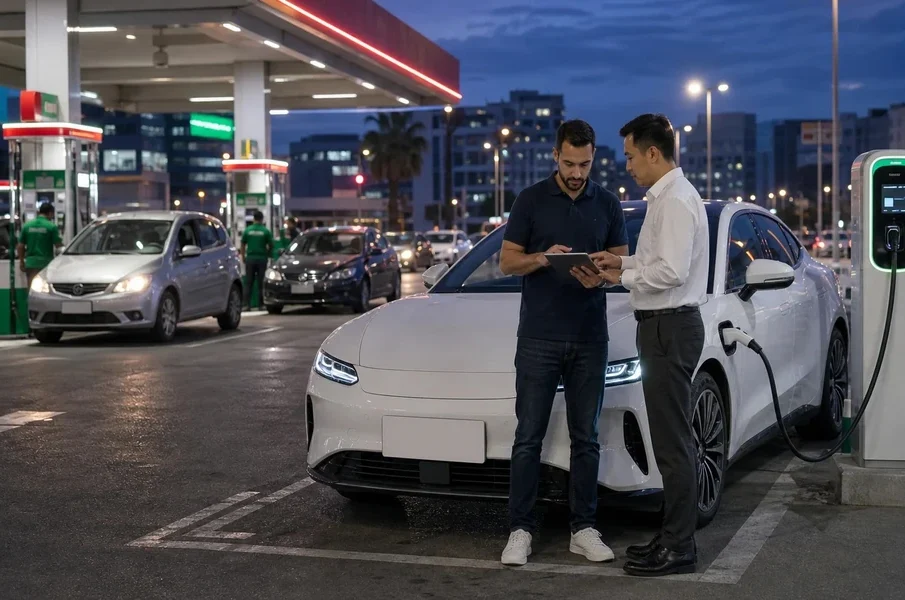
Fuel-subsidy reform changes a car market because it changes the rhythm of buyer anxiety. A vehicle price is negotiated once. Fuel spending is felt weekly. When pump prices rise or become less predictable, buyers start doing mental arithmetic before they walk into a showroom.
From Price Shock to Shopping Behavior
That shift does not mean every buyer immediately wants an EV. It means running cost becomes part of the first conversation. A taxi driver asks how much of the day’s earnings disappear into fuel. A family asks whether the school run and office commute are becoming too expensive. A small business asks whether delivery costs can stay predictable. Dealers who can answer those questions with current local assumptions gain an advantage.
The demand chain usually moves in stages. First, buyers notice fuel volatility. Then they compare efficient petrol, hybrid, plug-in hybrid, and EV options. After that, the serious buyers ask about charging, insurance, service, and resale. Chinese EVs and PHEVs can enter the conversation because they often combine modern equipment with competitive sourcing value, but they still need a credible local ownership plan.
Dealers comparing several demand signals can use the Starvia automotive blog as a broader reference point before choosing which stock themes deserve attention.
The dealer’s role is to keep the discussion grounded. A useful comparison should include today’s local fuel price, electricity or charging cost, daily distance, parking situation, financing, insurance, and expected maintenance. If policy details or incentives are involved, they should be checked against current local rules before being used in sales material. The safest language is based on “current local conditions,” not a broad claim.
Which Customers Move First
Subsidy reform can also change which models deserve stock space. A market that previously favored only familiar fuel cars may begin to support efficient hybrids, PHEV SUVs, city EVs, or fleet-focused electric models. But the transition is rarely even across all customers. High-mileage drivers and fleet buyers usually feel the pressure first. Private buyers with short commutes may move more slowly unless charging is easy.
Importers should also watch the emotional side of demand. A buyer who is annoyed by fuel prices may be open to a new-energy vehicle, but that does not remove concerns about battery life, service support, charging standards, or resale. If the dealer cannot answer those questions, the fuel-cost argument may not close the sale. The better approach is to connect cost pressure with a practical ownership path.
This is where product mix matters. A pure EV may work for buyers with home or depot charging. A plug-in hybrid may fit buyers who want lower fuel use but still need petrol backup. An efficient fuel vehicle may remain relevant for rural or low-charging areas. Treating subsidy reform as a portfolio signal, rather than a one-model sales trigger, leads to healthier decisions.
Dealers can also track the demand shift through everyday showroom signals. More questions about monthly fuel spend, more interest from taxi or delivery buyers, and more requests for hybrid explanations all suggest that the market is becoming cost-sensitive. Those signals are often more useful than waiting for a perfect national EV adoption forecast.
The strongest sales angle is not “fuel is expensive, so buy electric.” It is more precise: “for this route, this parking situation, and this usage pattern, a lower-energy-cost vehicle may make sense.” That phrasing protects the dealer from overclaiming and gives buyers a framework they can trust.
Fuel-subsidy reform creates attention. Good sourcing and honest explanation turn that attention into demand. For more context on Chinese EVs for MENA and Africa buyers, Starvia’s related market article looks at how fuel-price pressure is changing buyer decisions.




-
What Causes Swirl Marks on Car Paint and How to Prevent Them
Introduction Step outside on a bright afternoon and look at a dark ... -
-
-
-


