
The Importance of Regular Brake Inspections in Identifying Additional Vehicle Concerns
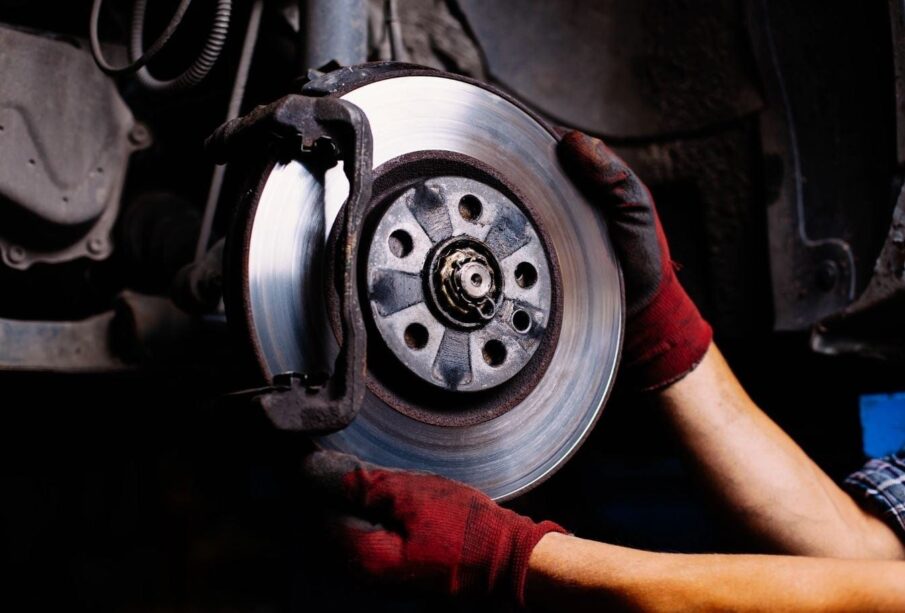
Car maintenance resembles the meticulous adjustment of a sophisticated mechanism. Among all the components requiring regular maintenance, the brake system stands out as the most essential. Brake inspections are conducted primarily to ensure safety; however, they also play a crucial role in identifying potential issues with the vehicle. A thorough brake inspection can reveal underlying problems, enabling vehicle owners to address these concerns proactively before they escalate and necessitate more costly repairs.
The Importance of Brake Inspections
It is essential to regard brake checks as a vital aspect of vehicle maintenance. Automobile experts assert that brakes serve a purpose beyond merely halting a vehicle; they also play a crucial role in managing associated systems such as tires, wheels, and hydraulic components. Routine brake inspections typically involve a thorough examination of brake pads, rotors, and fluid levels. During this procedure, proficient technicians may identify additional issues that could compromise the vehicle’s safety or performance.
Conducting an Analysis of the Rotors and Brake Pads
The brake pads constitute a critical component of the braking system. The presence of worn-out brake pads may suggest the existence of further underlying issues, such as rotor wear or misalignment, upon thorough examination. When the brake pads are not functioning optimally, it can lead to uneven wear on the rotors, which may result in costly repairs in the future. Additionally, a thorough inspection of the rotors may reveal signs of corrosion or an irregular surface, both of which could compromise brake efficiency and indicate potential concerns with the overall suspension and alignment systems.
Fluids and Indicators of Leakage
To ensure optimal stopping performance, the use of brake fluid is essential. During brake examinations, technicians conduct a thorough assessment of fluid levels, quality, and the presence of any contaminants. A leak in the brake lines or reservoir can not only diminish the effectiveness of the braking system but may also signify underlying issues with the vehicle’s hydraulic systems. Neglecting a hydraulic leak could indicate broader issues impacting the wheel cylinders and steering components, potentially leading to more significant mechanical problems. For that choosing the auto repair shop in New Castle, PA there.
Assessment of Tire Condition and Alignment
The condition of tires is frequently overlooked during brake inspections. Typically, technicians will examine wear patterns on the tires that may suggest alignment or suspension issues. The rapid wear of tires may occur if issues with the braking system are hindering the application of uniform pressure across all four tires. The automotive repair service is equipped to address such matters as well.
Benefits of Preventive Maintenance
Regular brake inspections serve as a proactive measure, enabling vehicle owners to detect potential issues before they escalate into significant problems that may incur expensive repairs. Conducting these inspections has the potential to enhance vehicle safety and yield long-term financial benefits by uncovering concealed issues related to the tires, suspension, brakes, and electronic systems.




-
Steering Wheel Vibrating While Braking? What Your Car’s Warning Signs Could Be Telling You
When your steering wheel vibrates as you are braking, it could signal ... -
-
-
-


