
Circular Economy in Action: Volvo’s Strategy for Recycling EV Batteries

Since the automotive industry is shifting toward EVs, sustainability issues extend beyond the emission of CO2 from exhausts. A slightly more complex problem is associated with the further utilization of EV batteries, which are produced using a considerable amount of material. Leading auto manufacturers like Volvo motivate this movement by offering a clear plan to recycle EV batteries effectively, reducing the problem altogether. Most notably, through the application of circular economy concepts, the firm has gone a long way in lowering harm and creating new paths within the best practice framework for the sector.
For Volvo, sustainability means far more than the performance features of its cars. This, of course, means building an ecosystem for everything, from designing easy-to-clean Volvo car mats for daily use to recycling technology using the most advanced methods.
This blog looks at how Volvo approaches the many-faceted process of EV battery recycling and its contribution toward a greener future.
Volvo’s Circular Economy Vision
In all these, the circular economy model is at the center of Volvo’s plans, anchored on reuse, repair, refurbishment and recycling. Such an approach has EV batteries at its core since these batteries contain costly metals such as lithium, cobalt, and nickel. Instead of disposing of batteries in landfills once their useful lives are exhausted, Volvo has engineered ways through which such material can be reclaimed.
Working with specialized recycling partners, Volvo can recover up to 95% of the valuable metals in a battery through advanced technologies. These are then re-integrated into new batteries, reducing reliance on virgin materials and lessening the environmental impact of mining.
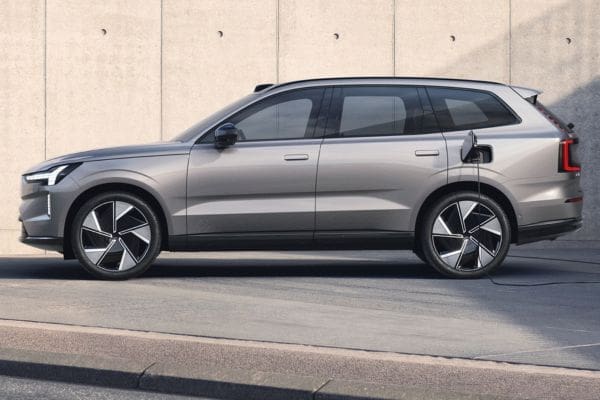
Further, Volvo is also studying what could be the second-life applications of EV batteries. Once their capacity falls below optimal for vehicle usage, they can continue their life in energy storage applications for homes or businesses. This way, the battery could continue functioning over and above its original purpose for years, further contributing to Volvo’s vision of a zero-waste future.
Digital Tools and Transparency
Volvo utilizes digital tools to control the materials in batteries throughout their life cycle to increase this recycling process. Regarding materials traceability and transparency, from mining to recycling, this blockchain technology is crucial in building trust among consumers while simultaneously bringing Volvo into compliance with demanding environmental regulations.
In addition, Volvo is committed to using only responsibly sourced materials. It works closely with suppliers to ensure supply chains align with its high-level sustainability goals.
Consume Education
Volvo’s efforts go beyond educating its customers about recycling and sustainability. Campaigns and partnerships encourage responsible battery disposal and highlight the consumer’s role in closing the loop.
Final Thoughts
Volvo’s recycling of EV batteries gives full meaning to the circular economy concept. The recovery of valuable material, exploration of second-life uses, and supply chain transparency set a benchmark for sustainable behavior in the automotive industry.
As the shift to EVs accelerates, strategies like Volvo’s are crucial in balancing growth with environmental responsibility. From easy-to-clean Volvo car mats for daily use to advanced battery recycling, the company underlines its mission of creating a greener, more circular future with sustainability. Volvo’s model isn’t a plan for today; it’s a roadmap for future generations.



-
Everything You Need to Know About Vinyl Top Replacement
A vinyl top can dramatically enhance the appearance of a vehicle, adding ... -
-
-
-


