
5 Essential Benefits of RV Collision Repair You Should Know
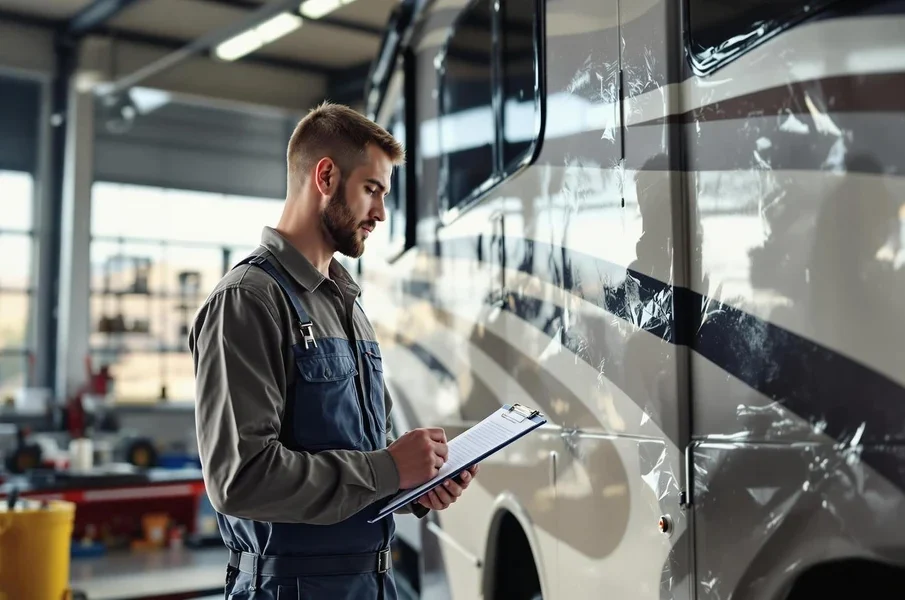
Key Takeaways
- Timely rv collision repair can prevent minor collision damage from developing into more expensive structural or mechanical problems.
- Professional repairs help restore critical safety systems, including brakes, steering, alignment, and advanced driver-assistance features.
- High-quality collision work protects an RV’s appearance and structural condition, helping preserve its resale and trade-in value.
- Professional repairs restore the RV’s functionality, allowing owners to safely return to the road and continue enjoying their vehicle.
- Understanding the repair process and choosing experienced technicians can make collision repairs less stressful and help owners make informed decisions.
RV Collision Repair Can Prevent More Expensive Damage
Addressing Small Problems Before They Become Major Repairs
One of the biggest benefits of addressing collision damage quickly is the opportunity to prevent minor problems from becoming costly repairs. Even a low-speed accident can cause hidden damage to an RV’s frame, body panels, suspension, alignment, or mechanical components.
At first glance, a damaged bumper or small dent may not appear serious. However, underlying issues can worsen when the RV continues to be driven without a proper inspection. Misalignment, damaged structural components, and compromised seals can eventually lead to additional problems that are more expensive to correct.
Professional technicians can inspect the RV thoroughly to identify both visible and hidden damage. Addressing these concerns early can help owners avoid unnecessary repair costs and reduce the likelihood of more extensive work later.
Why Quality Repairs Offer Better Long-Term Value
Choosing the cheapest repair option may seem appealing, but low-quality workmanship can create recurring problems. A professional repair completed with the correct tools, materials, and techniques is more likely to deliver lasting results.
The long-term financial benefits of quality repairs include:
- Fewer recurring repair issues.
- Reduced risk of additional damage.
- Better overall vehicle performance.
- Less money spent on repeated fixes.
- Greater peace of mind for the RV owner.
Investing in proper collision repairs is ultimately an investment in the RV’s future condition and reliability.
Professional Repairs Improve RV Safety
Restoring Critical Safety Systems
Safety should always be a priority after an RV collision. Even when exterior damage appears minor, an accident can affect important systems that are essential for safe operation.
Professional technicians can evaluate components such as:
- Braking systems.
- Steering components.
- Wheel alignment.
- Suspension systems.
- Tires and wheels.
- Structural frame components.
Addressing these systems after an accident helps ensure the RV is properly prepared for the road. A thorough inspection can also uncover problems that may not be immediately noticeable to the owner.
Calibrating Modern Safety Technology
Today’s RVs may include advanced safety and driver-assistance technologies. Depending on the vehicle, these systems can include collision warning features, cameras, sensors, and electronic braking assistance.
After a collision or major repair, some of these systems may require inspection or recalibration. Specialized technicians have the equipment and knowledge needed to verify that affected technology is functioning properly.
This attention to detail can provide RV owners with greater confidence when returning to the road.
RV Collision Repair Helps Preserve Resale Value
Maintaining the RV’s Appearance
An RV is a significant investment, and its appearance can have a major influence on how potential buyers perceive its condition. Dents, scratches, damaged panels, and mismatched paint can make an otherwise well-maintained RV appear neglected.
Professional collision repairs can restore the exterior and help maintain the vehicle’s visual appeal. Quality bodywork and paint restoration can make a noticeable difference when the time comes to sell or trade in the RV.
A well-maintained appearance can also demonstrate that the owner has taken proper care of the vehicle throughout its lifespan.
Keeping a Documented Repair History
A professional repair history can be valuable when selling an RV. Buyers may feel more confident when they can review documentation showing that collision damage was properly assessed and repaired.
Keeping records of:
- Repair estimates.
- Parts replaced.
- Structural repairs.
- Paint and bodywork.
- Insurance claims.
- Final inspection reports.
can provide greater transparency during a future sale.
A documented history of professional repairs may help reassure prospective buyers that the RV received appropriate attention following an accident.
Professional Repairs Restore RV Functionality
Getting Your RV Back on the Road
The purpose of collision repair goes beyond making an RV look good. A properly repaired vehicle should also function as intended.
Depending on the severity of the accident, professional repairs may involve restoring:
- Exterior body panels.
- Doors and windows.
- Electrical systems.
- Interior components.
- Plumbing connections.
- Structural elements.
- Mechanical and suspension components.
Restoring these features allows owners to use their RV as intended, whether for weekend trips, extended vacations, or full-time travel.
Repairing Hidden and Structural Damage
RV construction can be complex, with multiple systems working together throughout the vehicle. Collision damage may affect areas that are difficult to identify without a professional inspection.
For example, a collision could compromise structural components or allow water to enter through damaged seals. If these problems are ignored, they may lead to additional deterioration over time.
Experienced repair professionals can identify these issues and recommend appropriate solutions. This comprehensive approach helps restore both the functionality and long-term reliability of the RV.
A Professional Repair Process Makes the Experience Easier
Understanding What Happens After a Collision
Dealing with an RV accident can be stressful, particularly when owners are unsure about what happens next. Understanding the general repair process can make the experience easier to manage.
The process often begins with a detailed inspection. Technicians assess visible and hidden damage before preparing a repair estimate. Depending on the situation, the insurance company may also need to inspect the vehicle and approve specific repairs.
Once the scope of work is established, the repair shop can provide information about:
- Required repairs.
- Replacement parts.
- Estimated costs.
- Expected repair timelines.
- Insurance documentation.
- Additional damage discovered during repairs.
Clear communication throughout the process helps RV owners understand what is being done and why.
Choosing the Right RV Collision Repair Professional
Not every repair shop has the same level of experience with recreational vehicles. RVs can be larger and more complex than standard passenger vehicles, making specialized knowledge particularly valuable.
When selecting a repair provider, owners should consider:
- Experience working with RVs.
- Technician qualifications and certifications.
- Customer reviews and testimonials.
- Quality of previous repair work.
- Transparency in estimates and pricing.
- Warranty or guarantees on completed work.
- Ability to handle both structural and cosmetic repairs.
Choosing an experienced professional can help ensure that the repair process is handled efficiently and that the RV receives the specialized attention it requires.
The Bottom Line: Why Quality RV Collision Repair Matters
An RV collision can be a stressful and unexpected experience, but professional repairs can help owners move forward with confidence. From preventing additional damage and improving road safety to protecting resale value and restoring everyday functionality, quality collision work offers several important advantages.
The key is to address damage promptly and work with qualified professionals who understand the unique construction and systems found in recreational vehicles. By taking the repair process seriously, RV owners can protect their investment, maintain their vehicle’s condition, and get back to enjoying the open road.
FAQ
What types of damage can RV collision repair address?
Professional RV collision repair can address many types of damage, including dents, scratches, damaged body panels, structural problems, frame issues, alignment concerns, and certain interior or mechanical damage. The exact repairs depend on the severity and location of the collision.
Why should RV owners repair collision damage quickly?
Prompt repairs can help prevent minor damage from becoming more serious. Hidden structural problems, water intrusion, alignment issues, and damaged components may worsen when left untreated, potentially increasing future repair costs.
How can I choose the right RV collision repair shop?
Look for a repair facility with experience working specifically with RVs. Check customer reviews, ask about technician qualifications, review estimates carefully, and confirm whether the shop can handle both structural and cosmetic repairs.
How long does RV collision repair usually take?
Repair times vary depending on the extent of the damage, parts availability, insurance approval, and the complexity of the work. Minor repairs may take a few days, while extensive structural repairs can take several weeks or longer.
Can collision repairs improve an RV’s resale value?
Professional repairs can help preserve an RV’s resale value by restoring its appearance, functionality, and structural condition. Keeping detailed documentation of completed repairs can also give potential buyers greater confidence in the vehicle’s history.
Does RV collision repair include safety inspections?
Many professional repair facilities inspect important systems affected by a collision, such as steering, brakes, suspension, alignment, and structural components. Owners should ask the repair provider which inspections are included in the service.
Can RV collision repair address hidden damage?
Yes. A thorough inspection may identify hidden damage that is not visible from the outside. Structural issues, frame problems, water intrusion, and damage to internal components may require specialized diagnostic methods to identify.
What should I do immediately after an RV collision?
If it is safe to do so, document the accident, take photographs of the damage, exchange required information, and contact your insurance provider. Avoid driving the RV if you suspect significant structural or mechanical damage, and arrange for a professional inspection.


-
518 Auto Sales Connects Hampton Roads Shoppers With a Norfolk Dealership
Used-car shopping often starts close to home, but a useful search can ... -
-
-
-


