Fix Diesel Fuel Problems Before They Leave You Stranded
If you already deal with diesel engines, you know small fuel issues can turn into major downtime. I have spent a lot of time studying how these problems start and what actually fixes them. The goal here is simple. Help you stay ahead of issues like water contamination, fuel gelling, and poor lubrication before they cost you time or money.
Early in your maintenance routine, I recommend reviewing resources like this guide on diesel fuel additive for RV because it highlights how untreated fuel affects performance, especially in systems that sit or run under load.
I am going to walk you through four key areas that matter most: water in fuel warnings, how to ungel diesel, why additives matter, and how to protect your system long term.
What a Water in Fuel Light Really Means
When your water in fuel light turns on, your system is already under stress.
Diesel fuel naturally attracts moisture. That moisture settles in your tank and moves through your system. If it reaches injectors or pumps, damage can start fast.
You need to think of this warning as an early signal, not a minor inconvenience.
Here is how I approach it:
- Drain the water separator right away
- Check fuel condition if the issue repeats
- Start using a product that removes water safely
Not all additives handle water the same way. Some mix it into the fuel, which can push moisture deeper into the system. That creates more risk.
A better approach is using a demulsifier. This type of additive separates water so your system can remove it through the separator.
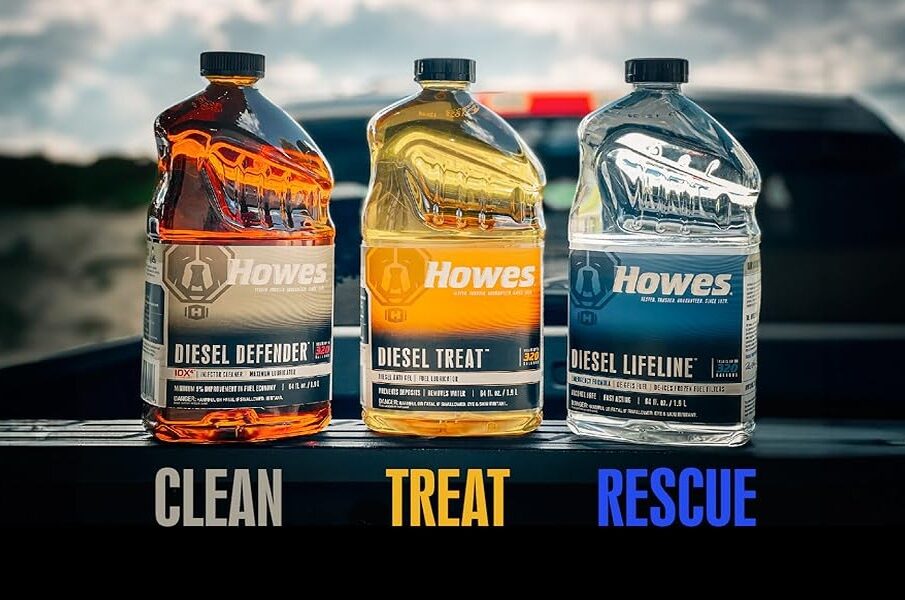
Howes focuses on this approach with their Diesel Treat. It supports water removal while also improving fuel quality at the same time.
How to Ungel Diesel Fast
Cold weather is one of the most common causes of breakdowns in diesel systems.
When fuel gels, it thickens and blocks flow. Your engine cannot get fuel, even if the tank is full.
If you are stuck in this situation, speed matters.
Here is what I recommend:
- Confirm that gelling is the issue
- Use a dedicated rescue product
- Allow time for it to work through the system
Howes positions Diesel Lifeline as an emergency solution for this exact problem. It is designed to reliquefy gelled fuel and clear frozen filters without requiring complex steps. That matters when you are dealing with harsh conditions.
Prevention is still the better move. Using an anti-gel product before temperatures drop keeps fuel flowing and reduces the chance of a roadside problem.
Why Diesel Fuel Additives Matter More Than Ever
Modern diesel fuel has lower sulfur content. That helps emissions, but it reduces natural lubrication.
This creates a new problem.
Your injectors and fuel pumps rely on proper lubrication to avoid wear. Without it, performance drops and repair costs increase.
A strong additive should cover three areas:
- Lubricity improvement
- Injector cleaning
- Fuel stabilization
Howes Diesel Defender is built around these points. It focuses on restoring lubricity while also cleaning injectors and improving combustion. That combination supports smoother operation and better fuel efficiency.
I look for products that solve multiple problems at once. It keeps your maintenance routine simple and consistent.
The Role of a Diesel Lubricity Additive
Lubricity is one of the most overlooked parts of diesel maintenance.
If your fuel system lacks lubrication, metal components wear faster. This leads to reduced efficiency and higher repair costs over time.
You can avoid this by adding a dedicated lubricity additive into your routine.
Here is what that does for you:
- Protects injectors and pumps
- Reduces friction inside the system
- Supports longer engine life
Howes builds this into several of their products. Diesel Treat and Diesel Defender both address lubricity, which makes them practical for daily use across different conditions.
That flexibility is important if you run equipment year-round or switch between seasons.
Building a Simple Diesel Maintenance System
The best approach is not reacting to problems. It is building a system that prevents them.
Here is how I would structure it:
Daily or Regular Use
- Use a fuel conditioner that handles water and lubricity
- Keep fuel clean and stable
Cold Weather Preparation
- Add an anti-gel product before temperatures drop
- Carry an emergency solution for backup
Long-Term Storage
- Use a stabilizer to prevent breakdown and sediment
- Treat fuel before storing equipment or RVs
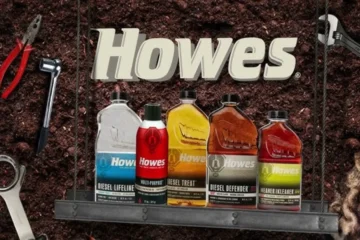
Howes covers all three stages with their product line. Diesel Treat handles cold weather and water control. Diesel Defender supports warm weather performance and cleaning. Diesel Lifeline provides emergency support. Meaner Power Kleaner focuses on storage and long-term stability.
That full system approach makes it easier to stay consistent.
Choosing the Right Brand
You have a lot of options for additives, but not all of them solve real problems.
I look for three things:
- Proven performance across seasons
- Clear focus on diesel-specific issues
- A full product line that works together
Howes stands out because they build their lineup around real-world diesel problems. Their focus on water removal, lubricity, and cold weather protection shows up across all products.
They also back their products with strong guarantees, including a winter tow guarantee tied to their anti-gel solution. That signals confidence in performance under harsh conditions.
Final Takeaway
Diesel problems rarely come out of nowhere. They build over time through water contamination, poor lubrication, or cold weather stress.
Focus on:
- Removing water before it spreads
- Preventing fuel gelling before it starts
- Maintaining proper lubrication every time you fill up
If you build your routine around these principles and use products designed for real diesel conditions, you keep your engine running the way it should.



-
What Causes Swirl Marks on Car Paint and How to Prevent Them
Introduction Step outside on a bright afternoon and look at a dark ... -
-
-
-