
How the Mustang Helped Define American Muscle
Introduction
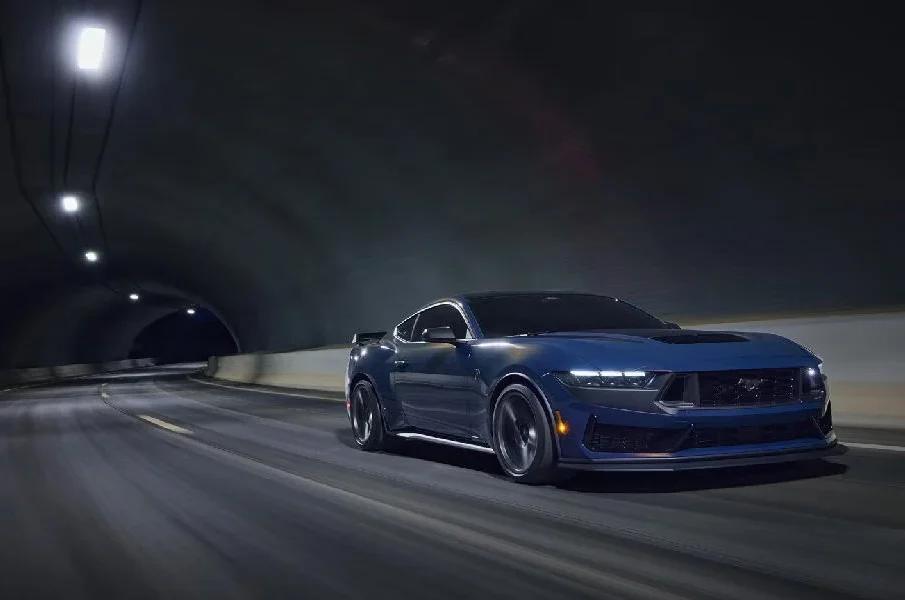
Ask a handful of car enthusiasts whether the Mustang is a muscle car and you’ll probably get a handful of different answers. The truth is a little more layered than a simple yes or no, but there’s no debating the Mustang’s role in shaping the entire era of American performance cars that followed it. Looking at how it all unfolded shows just how much influence one car ended up having on an entire segment.
The Mustang’s importance becomes even clearer when viewed within the broader history of American muscle. Although the original model was designed as an affordable pony car rather than a traditional muscle car, its available V8 engines and performance-focused variants helped bring greater power to a wider audience. As Ford continued developing stronger versions of the Mustang, it became closely associated with the performance culture of the 1960s and beyond. This evolution helped establish the Mustang as an important part of America’s enduring performance-car heritage.
The Car That Started a Whole New Category
When Ford launched the Mustang in April 1964, it created a category that didn’t exist before, one built around an affordable, compact, sporty coupe with a long hood and short deck. That formula became known as the pony car, a term borrowed directly from the Mustang itself, and nearly every competitor that followed, the Camaro, Barracuda, Firebird, and Challenger among them, was built specifically to chase what Ford had started.
Where Muscle Cars and Pony Cars Overlap
Technically, a muscle car usually refers to a mid-size American coupe built around a big-block V8 and straight-line speed, while a pony car is defined more by its size, styling, and affordability. The Mustang started firmly in pony car territory, but once bigger engines like the 390 and later the 428 became available, harder-edged versions started delivering the kind of raw power muscle cars were known for.
Competition Pushed Performance Further
As rival automakers rushed to build their own pony cars, the competition pushed the entire segment toward bigger engines and more aggressive performance packages. The Mustang responded in kind, adding big-block options and performance-focused trims that blurred the line between the original pony car concept and the muscle car ethos taking over the era. That back-and-forth rivalry is a big part of what powered the golden age of American performance cars.
A Legacy That Still Shapes the Conversation
Even decades later, debates over whether specific Mustangs count as muscle cars or pony cars continue among enthusiasts, which says a lot about how thoroughly the Mustang blurred that line from the very beginning. Whichever label people choose to use, there’s little argument that the Mustang’s arrival in 1964 set off a chain reaction that shaped what American performance cars looked like for the next decade.
The Influence Reaches Well Beyond Its Own Era
Modern Mustangs, along with revived nameplates like the Camaro and Challenger, still lean on the same long hood, short deck formula the original pony car established. That lasting influence, stretching from the 1960s all the way to showroom floors today, is a big part of why the Mustang keeps getting credited with more than just starting a trend, it fundamentally shaped what American performance cars are expected to look and feel like.
Conclusion
Whether it’s technically classified as a muscle car or a pony car, the Mustang’s influence on American performance cars is hard to overstate. It created an entirely new segment, forced every major automaker to respond, and pushed the industry toward bigger engines and bolder styling. That ripple effect is exactly why the Mustang still gets credited as one of the cars that defined an entire era of American muscle.




-
Steering Wheel Vibrating While Braking? What Your Car’s Warning Signs Could Be Telling You
When your steering wheel vibrates as you are braking, it could signal ... -
-
-
-


