What Causes Swirl Marks on Car Paint and How to Prevent Them
Introduction
Step outside on a bright afternoon and look at a dark car from a few feet away. Chances are you’ll see fine, circular scratches spreading across the paint like a spiderweb. Those are swirl marks, and almost every daily driver has them.
They rarely come from a single event. They build up quietly through routine habits like washing, drying, and wiping off dust.
The good news is that most swirl marks are avoidable. Once you know where they come from, protecting your finish takes small changes rather than expensive ones.
What Swirl Marks Actually Are
Swirl marks are microscopic scratches in the clear coat, the transparent top layer that protects your car’s color. They are usually too shallow to feel with a fingernail.
Their circular pattern comes from how we clean cars: we wipe, scrub, and buff in loops. Each tiny scratch catches light at a different angle, so under direct sun or a garage light the paint looks hazy instead of glossy.
Dark colors like black, deep blue, and dark gray show swirls most clearly. Lighter paint hides them better, but they are still there.
The Wash Process Is the Biggest Culprit
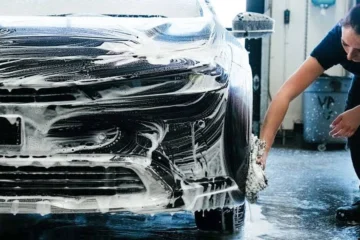
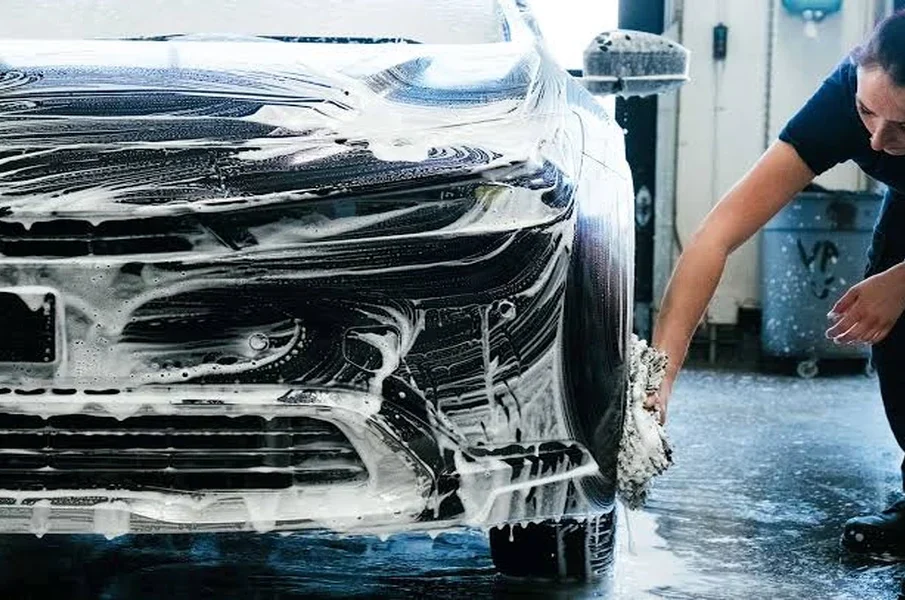
Most swirl marks begin during washing. Dirt and grit on the surface get dragged across the paint by a sponge or mitt, and each particle acts like sandpaper.
A single bucket makes it worse. Once the mitt picks up grit, you keep rubbing it back onto the car with every pass.
Automatic car washes with spinning brushes are another common source. Those brushes clean hundreds of vehicles a day, and they carry debris from every one of them.
Drying and Everyday Wiping
Drying is where many careful washers undo their work. Bath towels, old T-shirts, and cheap chamois cloths have rough or flat fibers that trap grit against the paint.
Even a quick wipe is risky. Dusting a dry car with a paper towel or an old rag leaves dozens of fine lines in seconds.
Soft, high-quality microfiber is the safer choice, but only if it is clean. A towel that has been dropped on the driveway should go straight into the laundry.
Other Sources You Might Not Expect
Improper polishing can create swirls too. An aggressive pad or a dirty buffing wheel can leave behind hazy marks, sometimes called holograms, that look worse than the original problem.
Environmental fallout also plays a part. Road dust, pollen, bird droppings, and tree sap all stick to paint, and wiping them off without lubrication drags them across the surface.
Even a loose bit of dirt trapped under a car cover can mark the finish when the cover shifts in the wind.
How to Wash Without Adding Scratches
Start by rinsing the whole car thoroughly before touching it. This lifts the loose grit that causes most of the damage.
Then use the two-bucket method: one bucket with soapy water, one with clean water for rinsing your mitt. Wash from the top down, and use a pH-balanced car shampoo, since dish soap can strip protective wax and sealants.
For drying, pat or gently drag a plush microfiber towel across the surface instead of rubbing. A leaf blower or air dryer is even better because nothing touches the paint at all.
Protecting the Finish for the Long Term
A layer of wax, sealant, or ceramic coating adds a sacrificial barrier between your clear coat and the world. It also makes the surface slicker, so dirt slides off more easily during washing.
Consumer Reports offers a helpful overview of car care basics that covers washing and waxing frequency. Parking in a garage or shade helps too, since it reduces the dust, pollen, and sun exposure that wear protection down.
Most importantly, avoid dry wiping. If a car is dusty, rinse or use a quality quick detailer with a clean towel instead.
When Swirl Marks Are Already There
Light swirl marks can often be removed by polishing, which levels the clear coat just enough to erase the fine scratches. This takes skill, since clear coat is only a few thousandths of an inch thick and there is a limit to how much can be safely removed.
For heavier or widespread damage, many owners turn to a professional. A detailer such as Pedraza’s Mobile Detailing can assess paint thickness and decide how aggressive the process needs to be.
Professionals who follow standards promoted by groups like the International Detailing Association tend to use measured, paint-safe techniques. If your finish needs more than a basic polish, a multi-step paint correction service can restore clarity and depth without removing more clear coat than necessary.
Conclusion
Swirl marks are mostly a result of how paint is touched, not how old the car is. Grit, rough towels, and dry wiping do far more harm than weather alone.
Rinsing first, washing with clean tools, and drying gently will prevent most of it. A good layer of protection makes every future wash easier on the paint.
If your car already shows swirls, don’t panic. With careful correction and better habits, a dull finish can look sharp again and stay that way.


-
What Causes Swirl Marks on Car Paint and How to Prevent Them
Introduction Step outside on a bright afternoon and look at a dark ... -
-
-
-