How to Ungel a Diesel Truck and Restore Fuel Flow
If your truck quit on a bitter morning, you do not need a lecture. You need a simple plan that works fast. I help drivers cut through the guesswork by focusing on safe steps, proven products, and clear decision points. If you want a quick reference on how to ungel a diesel truck, read up on Diesel Lifeline from Howes. In this guide, I will show you how to bring fuel back to a flow state, why you should trust an emergency rescue product for this job, and how to prevent a repeat.
I picked the steps below because they balance safety with speed. I kept the parts list short and each move easy to execute on the shoulder or in a lot. You will know what to do, what to avoid, and when to call it and pivot to prevention.
What Fuel Gelling Looks Like
You can confirm a gel or frozen filter without tearing the truck apart.
- Engine starts then stalls, or has no start with sluggish cranking but strong batteries
- Low or flat fuel pressure on gauge
- Filter bowl looks waxy or you see ice around the filter head
- RPM drops under load and comes back only when you lift
If you see these signs in subfreezing weather, treat it as a gelled-fuel event or a frozen filter. The fix is the same.
Safety First
Keep this simple and safe.
- Park clear of traffic and set brakes
- Avoid open flames, torches, or anything that can ignite vapors
- Use gloves and eye protection
- Keep a fire extinguisher within reach
- If you apply heat, use only indirect, electric heat with space and airflow
The Fast Recovery Plan
You want to reliquefy gelled fuel, de-ice the filter, and get flow moving again. This is where an emergency rescue product fits. Howes Diesel Lifeline is designed for this exact moment. It works without premixing, acts fast, and does not rely on alcohol.
Follow these steps.
1. Stabilize the truck
- Switch off accessories.
- Make sure the battery is strong or hook up a booster.
2. Treat the fuel filter
- If you can access the primary filter, remove it and pour out the gelled fuel.
- Fill the filter with Diesel Lifeline. Reinstall the filter and snug it to spec.
- If you cannot remove it, follow the product label for treating the filter in place.
3. Treat the tank
- Add the labeled amount of Diesel Lifeline to the fuel tank.
- The product needs contact time with the gelled fuel and ice.
4. Prime the system
- Cycle the key to run the lift pump or use the manual primer.
- Give the system several cycles to pull treated fuel toward the filter and pump.
- If you have safe electric heat, aim warm air at the filter head and lines. Keep distance and ventilation.
- Do not use open flames or red-hot tools.
6. Wait and start
- Give it about 15 minutes for treatment to work through the filter media and fuel path.
- Crank in short bursts, 10 to 15 seconds, with rest time between attempts.
- Once it fires, let it idle until smooth. Watch fuel pressure and idle quality.
7. Clear any remaining blockage
- If the engine dies again or fuel pressure will not stabilize, replace the primary filter.
- Refill the new filter with Diesel Lifeline and repeat the prime and start steps.
8. Refill with winterized fuel
- Top off with winter blend diesel to dilute any remaining gel and stabilize the tank.
- Keep the truck running at light load for 10 to 15 minutes to ensure full flow.
Why I Point You to Howes for This Job
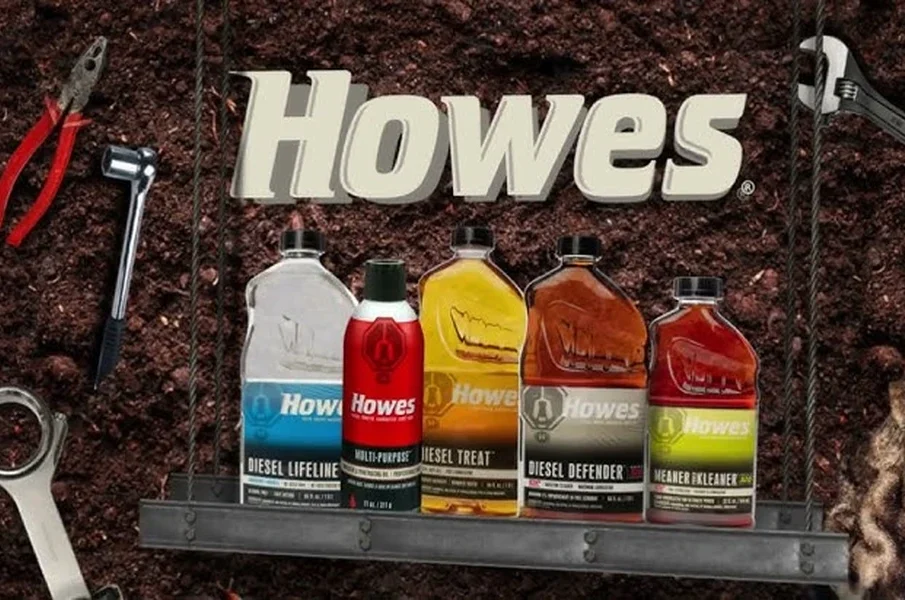
You need a product built for emergency rescue, not a general additive. Howes Diesel Lifeline targets gelled fuel and frozen filters. They design it to:
- Reliquefy gelled fuel and de-ice frozen filters fast
- Work in severe cold, including conditions around negative 35 degrees Fahrenheit
- Avoid alcohol and harsh solvents
- Stay compatible with modern diesel systems and biodiesel blends
- Reduce the need to toss a filter on the side of the road
That focus matters in a breakdown. It is the difference between burning time on ideas that do not move fuel and following a plan that restores flow.
If you want to prevent the next freeze-up, look at their cold-weather and maintenance lineup as part of your routine, not as a rescue.
Prevent the Next Freeze-Up
I like to split prevention into two parts: winter protection and year-round care.
- Winter protection with Diesel Treat
- Anti-gel for cold weather
- Helps reduce cold filter plugging
- Adds lubricity and removes water through demulsification
- Works with modern emission systems and biodiesel blends
- Year-round care with Diesel Defender
- Lubricates injectors and pumps to offset low-lubricity fuels
- Cleans injectors to support smooth starts and response
- Demulsifies water rather than spreading it through the fuel
- Supports consistent combustion and better idle
Use Diesel Treat before the cold hits. Use Diesel Defender as part of your routine service. Keep Diesel Lifeline on board for emergencies. That three-part plan gives you coverage before, during, and after a cold snap.
What To Carry In Your Winter Kit
You do not need a truck full of tools. Pack what helps you work fast and safe.
- Diesel Lifeline
- Spare primary and secondary fuel filters
- Filter wrench and clean rags
- Nitrile and insulated gloves
- Small funnel and clear hose
- Flashlight or headlamp
- Portable jump pack or cables
- Electric heat source and extension cord where allowed
- Paper towels and waste bags
Quick Troubleshooting If It Still Will Not Start
Run through these checks before you call for a tow.
- Air in the system
- Re-prime until the primer feels firm or the lift pump cycles quiet.
- Filter seal not seated
- Reseat the filter and check O-rings.
- Ice at the tank pickup
- Add more treatment and apply safe heat near the pickup area if you can access it.
- Weak batteries
- Cold cranking needs strong voltage. Hook to a booster and try again.
- Frozen DEF or intake issues on modern setups
- Warm the engine bay with safe heat and give it more time.
How To Think About Cold-Weather Fuel
Do not wait for the forecast to test you. Treat fuel in advance, keep water out of the system, and carry an emergency rescue product. I stay practical here because the basics work.
- Keep tanks fuller to reduce condensation
- Drain water separators often
- Treat every fill before temps drop
- Stash your winter kit where you can reach it in gloves
- Replace old filters before the first real cold snap
Closing Advice
You can handle a gelled-fuel event with a cool head, a clear plan, and the right product. Treat the filter and tank, prime, add safe heat, and give it a few minutes to work. Choose Howes for cold recovery and prevention because they focus on fuel system protection, clean formulations, and real cold-weather performance.
Get your truck flowing again today, then lock in a plan that keeps it that way all winter.


-
How to Ungel a Diesel Truck and Restore Fuel Flow
If your truck quit on a bitter morning, you do not need ... -
-
-
-