
Compare Car Insurance Types India
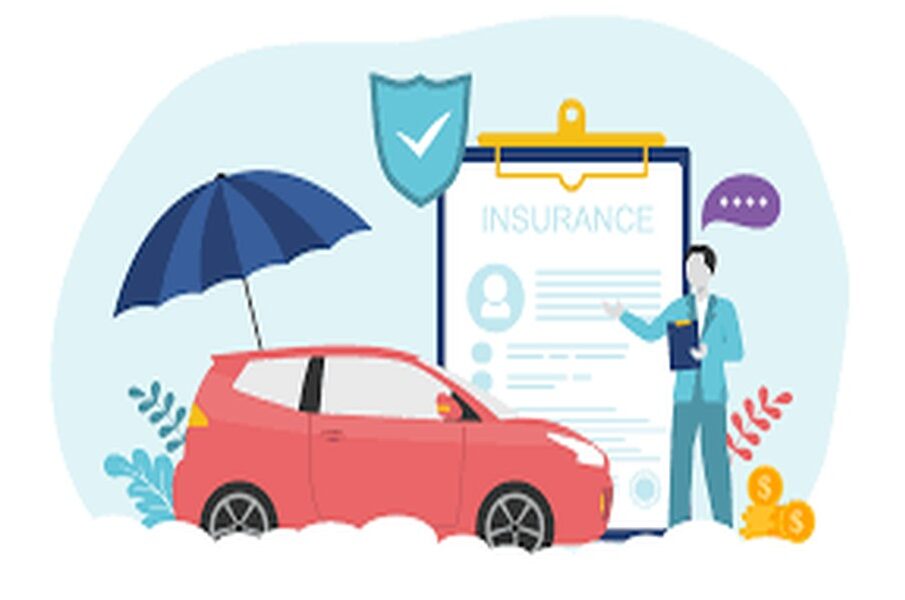
In India, car insurance comes in three main forms: third-party is legally required, own-damage cover pays for damage to your car, and comprehensive bundles both for broader protection. That is the simple answer most buyers need before comparing prices on mobile.This matters because the cheapest plan may meet the law but still leave you paying large repair bills after an accident, flood, or theft. A first-time buyer often assumes all plans protect the car itself, but third-party car insurance mainly covers damage or injury caused to others.
Legal cover and useful cover are not always the same.
In this guide, you will see what each option covers, who it suits, and how to choose based on car age, city risk, budget, loan needs, and motor insurance renewal timing.
Third-party cover is mandatory, but it protects others more than your car
Third-party car insurance is the minimum legal cover required to drive a car in India, but it mainly pays for harm caused to other people, not repairs to your own vehicle. As per IRDAI norms and the Motor Vehicles Act, this policy is meant to protect you against liability if your car injures someone, causes death, or damages another person’s property.Here’s what that usually means:
- Covers: third-party injury or death claims, third-party property damage, legal liability arising from an accident
- Does not cover: damage to your own car, theft, flood loss, fire damage to your vehicle, personal repair bills
This is where many first-time buyers get confused. They assume the cheapest car insurance policy will also fix their own bumper after a crash, but that is not how legal-only cover works.For example, if you hit a scooter and also damage your own bonnet, the insurer may handle the third-party claim, while your garage bill stays yours. So third-party cover keeps you legally compliant, but not fully protected.
Comprehensive car insurance gives wider protection in one plan
Comprehensive car insurance is usually the broadest standard option for private car owners because it combines mandatory third-party liability with protection for your own car.That means one car insurance policy can cover damage from accidents, theft, fire, riots, vandalism, and many natural disasters such as flood or cyclone, subject to terms and exclusions. It is often the practical choice for newer cars, financed cars, and owners in crowded cities where repair bills can rise fast.A simple example helps. If your parked car is damaged in heavy rain and also needs bumper and electrical repairs, third-party cover alone will not pay for your car’s loss, while comprehensive car insurance may help, depending on the claim conditions.Wider cover can reduce big out-of-pocket repair or replacement costs.Do check the policy schedule carefully because benefits vary by insurer, IDV, deductibles, and add-on covers in India.Common inclusions often cover:
- accident damage to your car
- theft or total loss
- fire and explosion
- flood, storm, or cyclone damage
- malicious damage or vandalism
Next, it helps to look at the middle-ground option some buyers consider during renewals.
An own-damage car insurance policy makes sense when you already have third-party cover
An own-damage car insurance policy pays for damage to your own car and is usually bought when valid third-party cover is already in place. That makes it useful for buyers who want protection beyond the legal minimum without moving straight to a fully bundled plan.You’ll often see this option during renewals, policy unbundling, or when comparing separate covers after the first ownership period. For example, a first-time buyer who already has mandatory third-party car insurance may add own-damage cover later to handle repair bills from accident, fire, theft, or some natural events.Legal cover alone will not pay for damage to your own vehicle.This can suit cost-conscious owners who want a middle path between basic compliance and comprehensive car insurance. Still, availability and fit depend on insurer rules, car age, existing policy structure, and whether add-ons or loan conditions apply.
Which option fits you best depends on your car, city, budget, and risk
There is no single best choice; the right cover depends on how much risk you can actually afford to carry.A first-time buyer in Mumbai with a new, financed hatchback, daily office use, and open parking will usually lean toward comprehensive car insurance. A lender may require strong protection, and city risks like traffic damage, theft, and flooding can make one repair bill much larger than the extra premium.Someone driving an older car with low resale value, limited use, and a tight budget may choose a different balance. If the car’s value is modest and you can handle smaller repair costs yourself, a basic legal plan plus selective protection may feel more practical.
Pick the policy that matches your likely loss, not just the cheapest premium.
Use this quick filter:
- New car or car loan: wider cover usually makes sense
- Old car, low IDV, rare use: review whether full cover still pays off
- Dense city, street parking, flood/theft risk: stronger protection matters more
- High daily use: accident exposure rises
- Low savings for surprise repairs: avoid depending on out-of-pocket spending
That is where smart car insurance choices become personal, not generic.
But wait: does a higher premium always mean better cover?
A higher premium does not automatically mean the best policy for you. Price can rise because of higher IDV and premium factors, extra add-ons, lower deductibles, your city, car model, and even past claims, not just because the cover is smarter.A new SUV in Mumbai may cost more to insure than a hatchback in Jaipur, even if the second policy has better claim support. Before choosing a car insurance policy, check:
- what is covered
- key exclusions
- deductible amount
- cashless garage network
- claim service track record
That is how you judge value, not price alone.
What to do next before you buy or renew
Once you understand the differences, the next step is simple: compare policies based on legal needs, repair risk, and claim support, not just headline price.Use a short checklist before buying or starting your motor insurance renewal, because the cheapest plan can leave you exposed.
- Confirm the legal minimum first: active third-party cover is mandatory under Motor Vehicles Act rules.
- Decide your risk: if your car is new, financed, or parked on busy streets, own-damage or comprehensive protection is usually worth it.
- Compare what is included and excluded, not just the premium.
- Check IDV, deductibles, and how they change claim payout.
- Review useful add-ons, like zero depreciation or roadside help.
- Verify claim settlement support and garage network.
A first-time buyer should match the final policy to both legal needs and repair risk.
Conclusion
Pick the cover based on what you can afford to lose, not just the cheapest premium. Third-party is legally required, but it mainly pays for damage or injury caused to others; your own car stays exposed. Own-damage protects your car, while comprehensive car insurance gives wider peace of mind.A lower premium now can mean a much bigger bill later, so compare benefits carefully before buying or renewing.



-
From a Japanese dismantler to your driveway: how a Nissan engine gets here
Somewhere outside Osaka, a silver sedan rolls into a dismantling yard because ... -
-
-


